March 9, 2026
Cremation has emerged as a widely chosen option for families seeking a thoughtful, practical, and personalized approach to end-of-life care. Unlike traditional burials, cremation offers flexibility in both cost and planning, allowing families to honor their loved ones in a way that reflects personal, cultural, and spiritual values. The process involves reducing a body to ashes through high heat, a practice that has evolved over thousands of years across diverse civilizations. Beyond its historical significance, cremation addresses modern challenges such as limited burial space, environmental concerns, and the desire for more customized memorialization options. By understanding the fundamentals of cremation service—including its procedures, benefits, and societal trends—families can make informed decisions that ensure dignity, respect, and meaningful commemoration for the deceased.
Definition and Overview of Cremation
Cremation is a method of final disposition of a dead body through burning. According to the Cremation Association of North America, it converts the body to gas through high heat, typically between 1,400 and 1,600 degrees Fahrenheit. This process takes place in a specifically designed furnace called a cremator. As a choice for afterlife care, cremation is gaining popularity worldwide owing to its relative simplicity and cost-effectiveness compared to traditional burials. Understanding the fundamental nature of cremation can help individuals and families make informed choices for their departed loved ones.
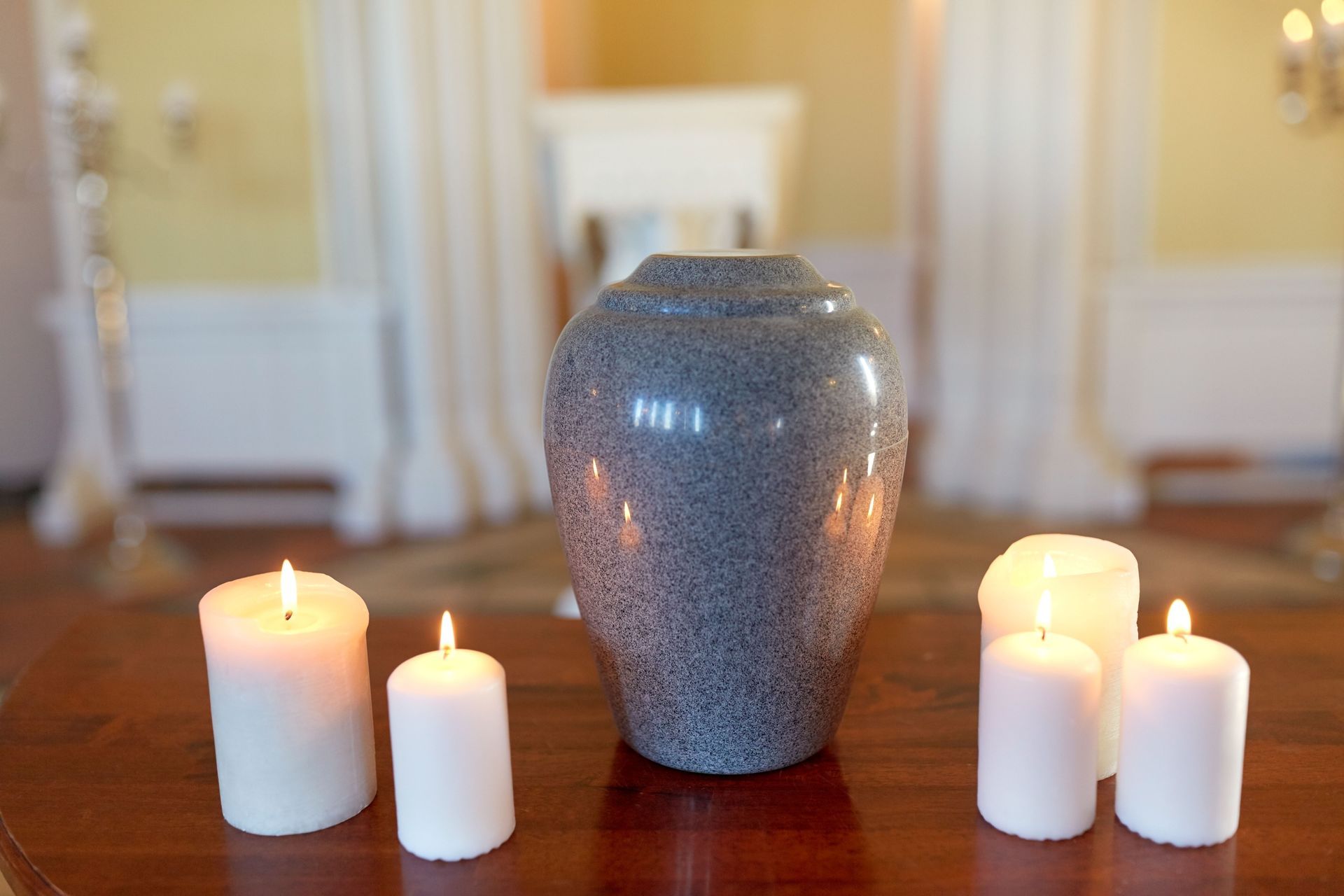
Many people choose cremation for its minimal environmental impact compared to traditional burials. The process is straightforward, reducing the need for land used in burials. As populations grow and urban areas expand, space for burials has become limited. Cremation offers a practical solution by requiring less physical space while still allowing loved ones to memorialize the deceased. Families may choose to keep the cremated remains in urns, memorialize them in columbaria niches, or scatter them in meaningful locations.
Understanding the process and implications of cremation services can ease the decision-making process. As families navigate these choices, knowing the basics helps alleviate anxiety and ensure that decisions align with spiritual, cultural, and personal expectations. For some, cremation allows for more customized and meaningful commemorations, shaped by individual preferences rather than traditional rituals. This flexibility often leads people to opt for cremation over burial. It's crucial to weigh these factors while considering the broader implications and societal trends relative to cremation.
The History and Evolution of Cremation Practices
Cremation practices have ancient origins, dating back to early civilization. Archaeological findings have revealed its use over 20,000 years ago, reflecting diverse approaches across cultures and regions. Originally, many societies embraced cremation for its spiritual symbolism, often viewing it as a purifying act or a means to release the spirit. Over time, views have evolved, especially as technological advances have made the process more efficient and widespread. Today, cremation is recognized as an integral part of many cultures' end-of-life practices.
The evolution of cremation practices has seen significant shifts due to sociocultural and technological influences. In some cultures, cremation was abandoned during specific periods due to religious conversions or new societal norms. However, as views on the environment and resource conservation continue to evolve, cremation service is resurging in popularity. This resurgence is particularly evident in Western countries, where people seek alternatives to traditional burial due to space constraints and ecological considerations. Modern cremation practices are also adapting with new technologies, including green and more eco-friendly techniques.
Historically, cremation has also been a response to public health concerns. After plagues and pandemics, societies turned to cremation to prevent disease spread. This sanitary rationale has persisted in modern times, influencing both legislation and cultural acceptance. The evolution of cremation represents both a response to practical needs and shifts in spiritual ideology, illustrating its resilience and adaptability. By understanding this history, one gains insight into how cremation transitions from ancient ritual to modern practice, influencing choices and cultural landscapes worldwide.
Prominent Benefits of Choosing Cremation
Cremation is often chosen for its cost-effectiveness, significantly cheaper than traditional burial. Avoiding expenses related to purchasing a burial plot, headstone, or coffin reduces the financial burden on families. This financial relief proves especially beneficial when managing other responsibilities or hardships following a loved one's passing. Additionally, cremation services allows for flexibility in memorializing the deceased. Families can hold services that best reflect the departed individual's life and values, unbound by specific geographic constraints.
Environmental considerations also play a vital role when choosing cremation over traditional burial. Cremation occupies far less physical space, avoiding issues associated with graveyard overcrowding. Many prefer this option due to its reduced ecological footprint, especially when opting for green cremation. Furthermore, the process eliminates the use of chemicals, such as formaldehyde, used in embalming, which can be harmful to the environment. This knowledge provides peace of mind to environmentally conscious individuals, reinforcing their choice of cremation.
Cremation's flexibility offers significant emotional benefits, personalized services that honor the deceased's unique personality and wishes. Scattering ashes in a beloved location or retaining remains in various memorial items allows for personalized legacy preservation. This personalization fosters more meaningful connections for family and friends, providing comfort and closure. Thus, the multiple benefits make cremation a preferred choice for many, accommodating both practical concerns and personal desires.
Legal Considerations for Cremation
Legal considerations surrounding cremation are crucial to ensuring compliance with local laws and regulations. Different jurisdictions have specific rules governing the cremation process, often mandating permits, waiting periods, and authorizations. Before proceeding, families must familiarize themselves with these legal requirements, potentially working with a cremation service provider to navigate this landscape effectively. Ensuring that all necessary documents are in order can prevent legal complications and provide peace of mind during an already challenging time. This preparation helps honor the deceased following norms and values essential to the family and community.
Some regions impose mandatory waiting periods between death and cremation to allow time for medical examinations or investigations, especially in suspicious circumstances. Adhering to these requirements is vital for the legal process and ensures all parties respect the deceased's dignity. Working with experienced professionals can make navigating these regulations more straightforward, providing guidance and support. By understanding and complying with these legalities, families ensure the smooth execution of cremation arrangements. Ultimately, this diligence makes a difficult process more manageable for surviving loved ones.
Furthermore, certain cultural and religious groups may impose additional restrictions or require rites before cremation. Families should consider these spiritual considerations, alongside local laws, to honor the deceased's beliefs and practices adequately. Consulting with legal experts or religious leaders aids in understanding how these regulations apply. These conversations facilitate informed decision-making and appropriate memorialization, upholding the deceased's spiritual and cultural values. Legal compliance, coupled with respect for personal wishes, ensures a respectful and fulfilling end-of-life experience.
Opting for a cremation service offers a combination of practicality, flexibility, and emotional reassurance that makes it increasingly attractive to families worldwide. Financially, it reduces the burdens associated with traditional burial, while environmentally, it minimizes land use and chemical exposure. Cremation also allows for creative and personalized memorials, whether through urns, scattering ashes in meaningful locations, or incorporating commemorative items. Legal considerations, including permits, waiting periods, and cultural or religious requirements, ensure the process is conducted safely and respectfully. By consulting experienced cremation professionals and planning thoughtfully, families can navigate this important decision with confidence. If you are considering cremation for a loved one, reach out to a trusted cremation service today, such as Balboa Cremation Services, to explore your options and create a respectful, meaningful tribute that honors their life and legacy.